


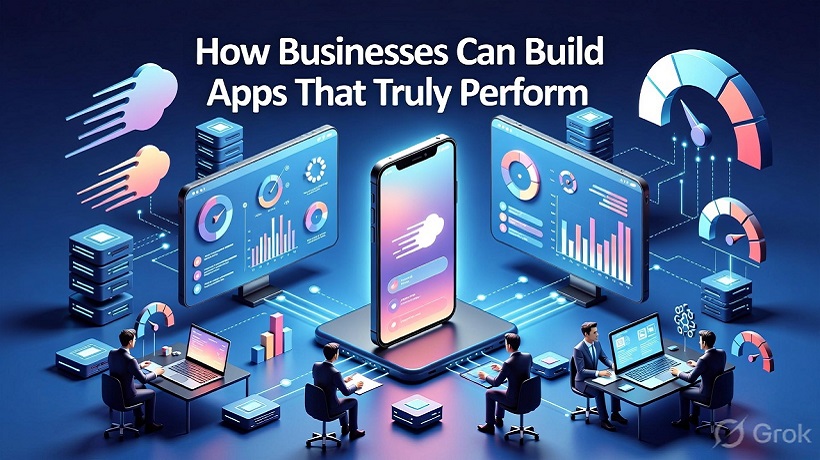
Building an app is no longer just about having a digital presence. For many businesses, an app is now a core part of how they serve customers, streamline operations, increase sales, and build loyalty. However, not every app performs well. Some are downloaded once and forgotten. Others frustrate users with slow loading times, poor navigation, or features that do not solve real problems.
A high-performing app is useful, reliable, intuitive, and aligned with clear business goals. To achieve this, businesses need to think beyond design alone. The strongest apps are built with strategy, user insight, technical expertise, and long-term improvement in mind.
Start with a Clear Purpose
Before any design or development work begins, businesses must understand exactly why the app is being built. Is it designed to improve customer service, increase bookings, support ecommerce sales, give staff better access to internal tools, or reduce manual admin?
Without a clear purpose, an app can quickly become overloaded with unnecessary features. This often leads to higher costs, longer timelines, and a weaker user experience. Every feature should connect back to a specific business objective or user need.
A strong app strategy starts with simple questions. Who will use the app? What problem does it solve? Why would someone return to it? What action should users be able to complete quickly? The answers help shape everything from functionality to design.
Put the User Experience First
Performance is not only about speed or technical stability. It is also about how easily users can get what they need. If an app is confusing, cluttered, or difficult to navigate, people will abandon it, even if the core idea is strong.
Good user experience should feel natural. Users should be able to move through the app without needing instructions. Menus should be simple. Buttons should be clear. Content should be easy to read. The most important actions, such as making a purchase, booking a service, submitting a request, or accessing account details, should be quick and frictionless.
Build on Strong Technical Foundations
A great-looking app will still fail if it is slow, unstable, or unable to handle real-world usage. Technical performance should be considered from the start, not treated as something to fix after the launch.
This includes choosing the right development approach, building secure architecture, optimising load times, testing across devices, and making sure the app can scale as demand grows. Businesses also need to consider integrations with existing systems, such as payment platforms, booking software, CRM tools, inventory systems, or internal databases.
Working with experienced app developers in Ireland can help businesses make smarter technical decisions early, ensuring the app is built around performance, usability, and long-term growth.
Focus on the Right Features
One of the biggest mistakes businesses make is trying to include too much in the first version of an app. A successful app does not need to do everything at launch. It needs to do the right things well.
Prioritising core features helps keep the app focused, efficient, and easier to use. For example, a retail app may need fast product browsing, secure checkout, and order tracking. A healthcare app may need appointment booking, secure messaging, and reminders. An internal business app may need dashboards, task management, document access, and reporting.
The best approach is often to launch with a strong minimum viable product, then improve it based on real user feedback. This reduces risk and gives businesses valuable insight into what users actually want.
Test Before and After Launch
Testing is essential for building an app that truly performs. It helps identify bugs, usability issues, security risks, and performance problems before they affect users.
Testing should cover different devices, screen sizes, operating systems, connection speeds, and user journeys. It should also look at how the app behaves under pressure. Can it handle more users than expected? Are forms, payments, notifications, and integrations working properly?
However, testing should not stop at launch. Once the app is live, businesses should monitor crash reports, user behaviour, reviews, support requests, and analytics. These insights can reveal where users are dropping off, which features are most valuable, and where improvements are needed.
Keep Security and Trust at the Centre
Users expect apps to protect their data. Whether the app handles payments, personal details, business information, health data, or login credentials, security must be built in from the beginning.
This means using secure authentication, encrypted data transfer, regular updates, careful permission management, and compliance with relevant data protection requirements. Businesses should also be transparent about how user data is collected, stored, and used.
Plan for Continuous Improvement
An app is not a one-time project. User expectations change, operating systems update, competitors evolve, and business goals shift. To keep performing, an app needs ongoing support, maintenance, and optimisation.
Regular updates can improve speed, fix bugs, introduce useful features, enhance accessibility, and keep the app compatible with new devices. Businesses should also use analytics to guide decisions rather than relying on assumptions.
If you found this article helpful, we encourage you to share it on your social media platforms—because sharing is caring! For more information about article submissions on our website, feel free to reach out to us via email.
Send an email
Written by RGB Web Tech
Latest Technology Trends
Latest technology trends shaping the future, including AI advancements, blockchain innovation, 5G connectivity, IoT integration, and sustainable tech solutions. Explore breakthroughs in quantum computing, cybersecurity, augmented reality, and edge computing. Stay ahead with insights into transformative technologies driving innovation across industries and revolutionizing how we live, work, and connect.
Related Articles - Business
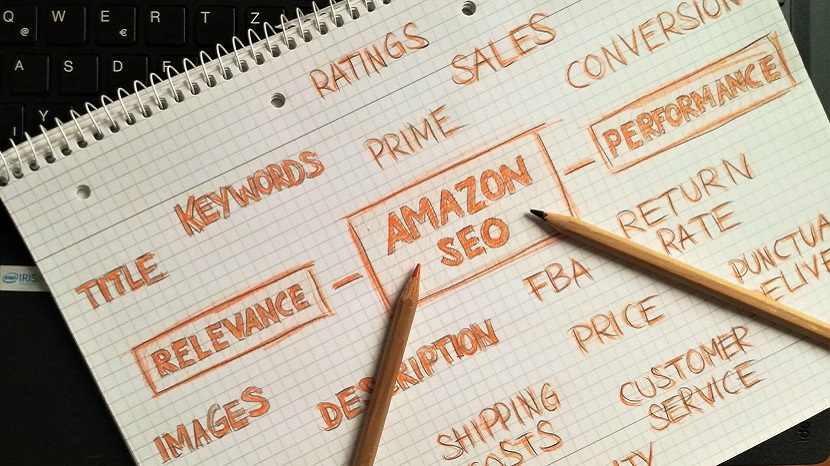
Expanding Your Business to Amazon
Learn to expand your business on Amazon! A step-by-step guide to boost sales, reach global customers, and grow your brand.

How to Build a Brand That Converts in a Competitive Market
Proven strategies to build a powerful brand that stands out and converts in competitive markets. Boost visibility and drive results!

Tech Leaders Train Like Athletes
Why top tech leaders adopt athlete-like discipline and champion mindsets to excel in innovation, leadership, and peak performance.

Getting Started With Fax APIs
Learn how to get started with Fax APIs in this comprehensive beginner's guide. Discover setup tips, integration steps, and best practices for seamless faxing solutions.
From Chaos to Control: Streamlining Your Returns Workflow
How to transform your returns workflow from chaotic to efficient. Learn expert tips and strategies to optimize your process and boost customer satisfaction.
How Businesses Can Build Apps That Truly Perform
Learn how businesses can design, develop, and optimize apps that deliver speed, reliability, and great UX to boost engagement, retention, and revenue.