


What are Search Engine Optimization Strategies?
Last updated on January 19, 2025 by RGB Web Tech
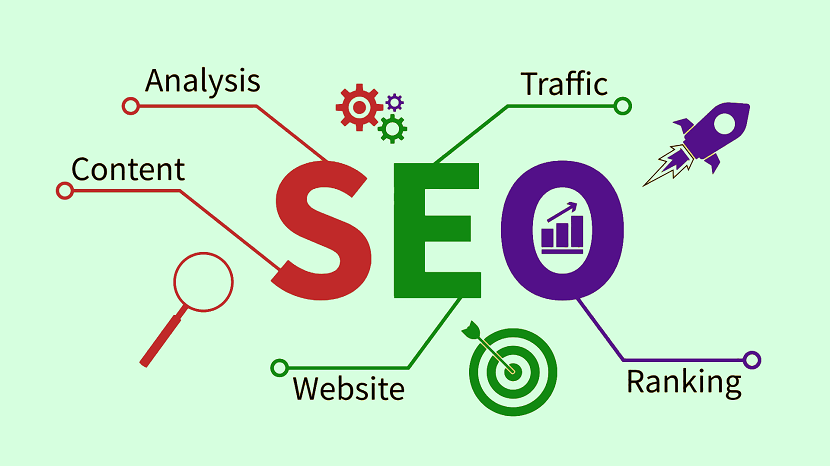
SEO stands for Search Engine Optimization and is the process of improving a website's performance, experience, and authority to gain better visibility in search engines like Google. The goal of SEO is to rank higher in organic (unpaid) search results.
SEO involves various strategies, including optimizing website content and structure, improving meta tags, using strategic keywords, and building backlinks. These tactics help the site appear higher in search engine results pages (SERPs), making it more likely that people will click through to the website. SEO is a critical component of digital marketing.
Contents Overview
What does SEO stand for?
SEO, or Search Engine Optimization, refers to the process of enhancing your website’s visibility in search results. Here’s what that entails:
- Search: This is the action people take to locate answers to their questions or to find products or services that suit their needs.
- Search Engine: Websites such as Google or Bing where users conduct searches.
- Search Engine Optimization: The strategies implemented to ensure that search engines link these searches to your website.
Types of SEO (Search Engine Optimization)
Search engine optimization (SEO) is a part of internet marketing that aims to increase a website's visibility in organic search results. SEO can be divided into two main types: On Page SEO, Off Page SEO, Technical SEO, Local SEO, Content SEO, Mobile SEO, Ecommerce SEO, Image SEO and Video SEO.
1. On Page SEO
On-page SEO refers to the practices used to optimize individual web pages to help them rank higher and earn more relevant traffic in search engines. It involves both the content and the HTML source code of a page (as opposed to off-page SEO which involves links and other external signals). Here are the key elements of on-page SEO:
- Title Tags: Each page should have a unique title that includes the main keywords for the page. The title tag should be concise and informative, accurately reflecting the content of the page.
- Meta Descriptions: Although not a ranking factor itself, a well-crafted meta description can improve the click-through rate from search engine results. It should provide a brief summary of the page’s content and include relevant keywords.
- Headings and Content Formatting: Using headings (H1, H2, H3) to organize content is crucial for readability and SEO. The primary keyword should ideally be included in the H1 tag. Other headings can help structure the content and utilize secondary keyword phrases.
- URL Structure: URLs should be concise, include keywords, and be easy for a human to understand. A well-structured URL gives both users and search engines an idea of what the destination page is about.
- Keyword Optimization: Including relevant keywords in your content helps search engines understand what the page is about. However, keywords should be used naturally and not over-stuffed, as this can lead to penalties.
- Content Quality: The content of a page is crucial to its success. Google has continually emphasized the importance of high-quality, substantive, original content that satisfies the search intent of users.
- Images and Alt Text: Using images can make a page more engaging and informative. Alt text (alternative text) for images is used by screen readers and search engines to understand the content of pictures. It’s also useful for SEO when it includes relevant keywords.
- Mobile-Friendliness: With mobile devices accounting for a significant portion of web traffic, your site needs to be responsive and easy to navigate on smartphones and tablets.
- Page Performance: Websites that load faster provide a better user experience. Google considers page speed as a ranking factor, so optimizing your site’s speed is important.
- Internal Linking: Linking to other pages on your site helps search engines crawl your site more effectively and helps improve rankings for your other pages. It’s also useful for users, as it makes navigation easier.
2. Off Page SEO
Off-page SEO refers to the techniques used to improve the position of a website in the search engine results page (SERPs) that are implemented outside of the actual website. This aspect of SEO focuses on enhancing the perception of a site's popularity, relevance, trustworthiness, and authority. This is achieved through other reputable places on the Internet (pages, sites, people, etc.) linking to or promoting your website, effectively "vouching" for the quality of your content. Here are the key components of off-page SEO:
- Backlinks: The cornerstone of off-page SEO is building backlinks, which are links from other websites to your website. These can be achieved through natural links from external sites that link to yours without any action on your part, manually built links generated through deliberate link-building activities, and self-created links through adding a backlink in an online directory, forum, blog comment signature, or a press release with optimized anchor text.
- Domain Authority: Sites with higher domain authority are seen as more reputable and trustworthy, and links from these sites are more beneficial. Tools like Moz’s Domain Authority and Ahrefs’ Domain Rating help assess this metric.
- Social Media Marketing: While social media links don't directly impact search rankings, social media platforms can amplify the visibility of your content and increase your brand presence. This can lead to more people viewing your content and potentially linking back to it.
- Guest Blogging:Writing articles or posts for other relevant blogs can drive traffic back to your site through backlinks. This not only helps in creating more outreach but also enhances your reputation as an expert in your field.
- Influencer Outreach: Collaborating with influencers to promote your content can lead to natural backlinks, as their followers and other interested parties are likely to link to your content if it is valuable.
- Content Marketing: Publishing high-quality, valuable content is vital not just for on-page SEO but also for off-page tactics. Great content is more likely to be shared and referenced by other websites, blogs, and social media users.
- Forum Participation: Engaging in industry forums can help establish your expertise. By contributing to discussions and providing helpful answers, you can attract interest in your profile and website.
- Local SEO: For businesses with a physical location, off-page SEO includes managing local listings and citations in business directories like Google My Business, Yelp, and others. Accurate and consistent information across these platforms can improve your local search visibility.
- Brand Mentions: Google considers both linked and unlinked mentions of your brand. Getting your name out there through press releases, articles, or other content can influence your site’s search rankings.
- Reviews: Positive reviews, especially on authoritative platforms like Google My Business and Yelp, can enhance your business’s credibility and influence its search rankings.
3. Technical SEO
Technical SEO refers to the process of optimizing the infrastructure of a website to help search engines crawl and index it more effectively. This aspect of SEO focuses on the backend structure and foundation of a site, ensuring that the site meets the technical requirements of modern search engines with the goal of improved organic rankings. Key elements of technical SEO include:
- Site Speed: Enhancing how quickly your site loads is crucial as it affects user experience and search engine rankings. Techniques include optimizing images, reducing server response times, and leveraging browser caching.
- Mobile-Friendliness: With mobile-first indexing, Google predominantly uses the mobile version of the content for indexing and ranking. A mobile-friendly site is essential, and responsive design is the recommended approach to accommodate all device types and screen sizes.
- Crawlability: Search engines use web crawlers to understand the content of your site. Ensuring that these crawlers can access and interpret your site content without issues is critical. This includes proper use of robots.txt files to guide crawlers, creating and maintaining XML sitemaps, and avoiding deep nesting of pages.
- Security: Implementing HTTPS provides a secure connection by encrypting data between the user and the site, which is a factor Google uses for ranking.
- Structured Data: Using schema markup (structured data) helps search engines understand the content of your site and can enhance how your site appears in SERPs with rich snippets. These can include ratings, prices for products, or event information.
- Indexation: Ensuring that the pages you want are being indexed properly without duplication. Tools like Google Search Console can be used to monitor index status and optimize visibility.
- Canonical URLs: Use canonical tags to tell search engines which version of a page is the master or preferred version to address duplicate content issues.
- 404 Errors and Redirects: Properly managing 404 errors and setting up 301 redirects for pages that have moved permanently helps preserve link equity and improves user experience.
- Site Architecture: A well-organized site structure helps users and search engines find content on your site more easily. This involves a logical hierarchy for your content and ensuring that no important pages are more than a few clicks away from the homepage.
- Hreflang Tags: For sites that have content in multiple languages or regional variants, hreflang tags help search engines understand which version of the content is relevant to users in a specific region or language setting.
4. Local SEO
local SEO is a branch of search engine optimization that focuses on optimizing a business's presence to attract more business from relevant local searches. These searches take place on Google and other search engines but are specifically aimed at generating local results for users. Local SEO is crucial for businesses that have a physical location or serve a specific geographic area. Here are the key components of local SEO:
- Google My Business (GMB) Optimization: Setting up and optimizing your Google My Business profile is essential. This includes accurate and detailed business information such as your name, address, phone number, and business hours. Regularly updating the profile with posts, offers, and events can also help increase visibility.
- Local Keywords: Utilizing keywords that reflect local searches. This includes city or neighborhood names where the business is located. The content on your website should include these local keywords to improve local search rankings.
- Citations and Local Listings: Ensuring your business is listed on local directories and citation sites such as Yelp, YellowPages, and Bing Places. Consistency in business listings (name, address, and phone number) across these platforms is crucial for local SEO success.
- Reviews and Ratings: Encouraging customers to leave positive reviews on your Google My Business profile and other review sites. Responding to reviews, whether positive or negative, can also improve credibility and attract more local customers.
- Localized Content: Creating content that speaks to local news, events, or activities relevant to your business and area. This helps attract local customers and signals to search engines that your business is actively participating in the local community.
- On-Page SEO for Local Keywords: Besides integrating local keywords into the content, it’s important to optimize the title tags, meta descriptions, and header tags of your website with local SEO in mind.
- Mobile Optimization: With the increase in mobile searches, ensuring your website is mobile-friendly is essential, especially for local SEO, as many local searches are performed on the go.
- Backlinks from Local Sources: Gaining backlinks from well-regarded local sources (like local newspapers, blogs, and business associations) can significantly boost local search rankings.
- Structured Data Markup: Using schema markup to provide search engines with specific information about your local business, such as the type of business, operating hours, and location. This can enhance your search listings with rich snippets that attract more clicks.
- Local Maps Optimization: Ensuring your business appears correctly on map services like Google Maps. Accurate location data and a clear, precise map pin can help customers find your business more easily.
5. Content SEO
Content SEO refers to the aspect of SEO focused on creating and structuring content in ways that help improve visibility and rankings in search engine results pages (SERPs). It involves not only producing high-quality, relevant content but also ensuring it is optimized for both search engines and users. Here are the key components of content SEO:
- Keyword Research: Identifying the right keywords that your target audience is using to search for products or services like yours. This research informs the themes and topics of your content, helping ensure it meets the search intent of users.
- Content Quality: Producing high-quality content that is informative, engaging, and provides value to the reader. Search engines favor content that effectively satisfies user intent, keeping users engaged and on your site for longer periods.
- Content Freshness: Regularly updating existing content and adding new content to keep your website dynamic and informative. Fresh content is a signal to search engines that your site is current and relevant.
- Use of Keywords: Integrating targeted keywords naturally within your content, including in the title, headings, body text, and meta descriptions. The key is to use keywords thoughtfully and avoid over-optimization, which can lead to penalties from search engines.
- Content Structure: Organizing content using headings (H1, H2, H3) to make it easier to read and navigate. Proper use of headings helps search engines understand the structure and hierarchy of the content, improving indexing.
- Meta Descriptions and Title Tags: Crafting compelling meta descriptions and title tags that include relevant keywords. These elements can influence click-through rates from search results, drawing more traffic to your site.
- Image SEO: Including images with optimized file names and alt text descriptions can contribute to SEO efforts. Alt text helps search engines understand the image content and can improve accessibility.
- Internal Linking: Using internal links to connect content within your site helps search engines crawl the site more effectively and can keep visitors engaged longer by encouraging them to explore further.
- Content Length: While quality is more important than quantity, longer content can often provide more depth, increase engagement, and improve SEO performance. However, the length should be appropriate to the topic and user expectations.
- Readability and User Engagement: Ensuring the content is readable and engaging for the audience. This includes using simple language, short paragraphs, and visual elements to break up text, which can enhance user experience and retention.
6. Mobile SEO
Mobile SEO refers to the process of optimizing your website to ensure it performs well and provides a good user experience on mobile devices. As mobile traffic surpasses desktop traffic in volume, mobile SEO has become crucial for achieving high search engine rankings and capturing mobile user engagement. Here are the key aspects of mobile SEO:
- Responsive Design: Ensuring that your website is responsive, meaning it automatically adjusts to fit the screen size of the device being used. This is important because it improves usability, making it easier for mobile users to read and navigate your site.
- Mobile-First Indexing: Google predominantly uses the mobile version of the content for indexing and ranking since the majority of users now access Google search through mobile devices. This makes it crucial to prioritize the mobile version of your site in your SEO efforts.
- Page Speed: Mobile users often rely on mobile data, which can be slower than wired or WiFi connections, so page speed becomes even more crucial. Optimizing images, minifying code, leveraging browser caching, and reducing redirects can help increase mobile page speed.
- Touchscreen Navigation: Ensuring that your site is easily navigable with a touchscreen. This includes making buttons and links large enough to be clicked easily without zooming and spacing them adequately to prevent accidental clicks.
- User Experience (UX): Providing a good user experience is vital. This includes clear and readable fonts, accessible menus, and avoiding intrusive pop-ups and excessive interstitials that can frustrate users and lead to high bounce rates.
- Local SEO: Since mobile searches are often performed on the go, local SEO becomes even more important. Ensure that your business is listed in local directories, and use local keywords in your SEO strategy.
- Viewport Configuration: Setting the viewport (which controls how a webpage is displayed on a device) correctly ensures that your site can be viewed properly across different devices.
- Content Accessibility: All content on your site should be accessible on mobile devices, which means avoiding software like Flash, which isn’t supported on mobile.
- Mobile-Friendly Test Tools: Utilizing tools like Google's Mobile-Friendly Test can provide insights into how well your site works on mobile devices and highlight areas that need improvement.
- Avoiding Mobile-Specific Errors: These can include unplayable content, faulty redirects, or blocked JavaScript, CSS, and image files. Ensuring that mobile users have access to all necessary resources and content is crucial for good SEO.
7. eCommerce SEO
eCommerce SEO is the practice of optimizing online stores to rank higher in search engine results pages (SERPs) and attract more targeted traffic that can convert into sales. It involves a blend of general SEO practices along with strategies specifically tailored for eCommerce platforms. Here are the essential components of eCommerce SEO:
- Keyword Research: Conducting detailed keyword research tailored to eCommerce, focusing on product-specific keywords, category-specific keywords, and transactional keywords that indicate a readiness to buy.
- Site Structure: Designing an intuitive site structure that makes it easy for users to navigate and for search engines to crawl. Ideally, a user should be able to reach any product in three clicks or less from the homepage.
- On-Page SEO for Product Pages: Optimizing product pages with high-quality images, detailed and unique descriptions, product-specific metadata, and structured data (such as schema markup for prices, availability, and reviews).
- Optimized Category Pages: These pages should not only include category-specific keywords but also be designed to facilitate user navigation and improve product discoverability.
- Technical SEO: Ensuring that the website loads quickly, is secure (uses HTTPS), and is mobile-friendly, since many users shop on their mobile devices.
- Content Marketing: Creating valuable content that targets potential customers at various stages of the customer journey, from awareness to decision-making, which can include blogs, buying guides, and reviews.
- User Experience (UX): Providing an excellent user experience by having a fast, easy-to-navigate site with minimal friction in the checkout process and clear calls to action.
- Link Building: Acquiring high-quality backlinks from reputable sources to enhance domain authority. This can be achieved through collaborations, influencer marketing, and guest blogging on relevant sites.
- Social Signals: Leveraging social media platforms to boost product visibility and engagement, which indirectly supports SEO efforts by generating traffic and increasing brand recognition.
- Customer Reviews: Encouraging customer reviews, which can boost SEO through fresh, unique content and improve trust and conversion rates.
- Avoiding Duplicate Content: Especially common in eCommerce sites where product descriptions are often repeated across multiple pages or products. Utilizing canonical tags can help manage duplicate content issues.
- Local SEO: For eCommerce businesses with physical stores, integrating local SEO practices by including local keywords, creating a Google My Business profile, and gathering local reviews.
8. Image SEO
Image SEO is the practice of optimizing images to be discovered via search engines' image search features, contributing to the overall SEO performance of a website. It's particularly important for websites that rely heavily on visuals, such as eCommerce sites, art galleries, or recipe blogs. Optimizing images can enhance user experience, reduce page load times, and improve rankings. Here are key strategies for effective image SEO:
- Relevant Images: Use images that are relevant to the content of the page. Relevant images enhance the user experience and reinforce the textual content for better understanding and retention.
- File Names: Choose descriptive, keyword-rich file names for your images. Instead of naming an image "IMG_123.jpg," use meaningful names like "homemade-chocolate-chip-cookies.jpg" that describe the image and include a target keyword.
- Alt Text: Alt text (alternative text) is used within an HTML code to describe the appearance and function of an image on a page. Alt text helps search engines understand the image content, which is crucial for SEO. It's also vital for accessibility, helping screen readers interpret the image for people with visual impairments.
- Image Compression: Optimize image file sizes to reduce load times without compromising quality. Tools like Adobe Photoshop, TinyPNG, or JPEGmini can reduce file size, enhancing page speed—a factor in Google's ranking algorithms.
- Image Format: Choose the right file format for your images. JPEG is good for most photos due to its balance of quality and file size. PNG is preferable for graphics with fewer than 16 colors or when you need transparency. WebP is a modern format that provides superior compression and quality characteristics compared to JPEG and PNG.
- Responsive Images: Ensure images display well on all devices, especially on mobile. Using responsive image techniques, such as the HTML srcset attribute, allows different image versions to load depending on the user's screen size and device capabilities.
- Structured Data: Using structured data (schema markup) can help to provide search engines with more information about the images and how they relate to other content. For example, if you have a recipe site, using structured data can link images directly to recipes.
- Sitemaps: Include images in your XML sitemaps or create a dedicated image sitemap. This makes it easier for search engines to crawl and index your images, potentially increasing their visibility in image search results.
- Accessibility: Ensure that your images do not obstruct site accessibility. Use CSS styling to position images and make sure they are integrated seamlessly with the design for users on all types of devices.
- SEO-Friendly Image Hosting: Host your images on a server that quickly delivers images to users. Slow-loading images can hurt your SEO and user experience.
9. Video SEO
Video SEO involves optimizing video content to increase its visibility and ranking on search engine results pages as well as within video search engines like YouTube. It is an important aspect for businesses and content creators who use video to communicate with and engage their audience. Effective video SEO can drive more traffic to your website, enhance user engagement, and increase conversions. Here are key strategies for optimizing your video content for search engines:
- Keyword Research: Just like traditional SEO, video SEO requires targeted keyword research. Identify keywords relevant to your video content that potential viewers are likely to use during their search queries.
- Video Titles and Descriptions: Optimize your video titles and descriptions with relevant keywords. The title should be catchy, informative, and include main keywords. The description should provide a detailed overview of the video content, including long-tail keywords, without keyword stuffing.
- Video Hosting Platform: Decide where to host your video based on your goals. Hosting on your own site can increase traffic to your site and is good for exclusive content. Using popular platforms like YouTube or Vimeo can enhance visibility and reach due to their large built-in audiences and high domain authority.
- Thumbnail Image: A compelling thumbnail can significantly increase click-through rates. The thumbnail should be visually appealing and relevant to the content of the video.
- Video Transcripts: Adding a text transcript of your video content can greatly improve indexability and accessibility. Transcripts act as page text and are beneficial for SEO as they're crawlable by search engines.
- Video Sitemaps: Create a video sitemap and submit it to search engines. A video sitemap includes important metadata about your video content such as the video title, description, play page URL, thumbnail, and video file URL, which helps search engines understand and index your video content more effectively.
- Engagement Metrics: Encourage viewer engagement by asking for likes, comments, and shares. High engagement rates are a positive indicator to search engines regarding the quality of your content.
- Embedding and Sharing Options: Enable embedding and sharing options to increase the likelihood of your video being shared and linked to. More embeds and links can lead to higher rankings in search engines.
- Social Media Promotion: Promote your videos on social media platforms to increase visibility. More shares and traffic can lead to higher rankings both on traditional search engines and within video platforms like YouTube.
- Accessibility Features: Including features like captions and audio descriptions can make your videos more accessible to a wider audience, including those who are deaf or hard of hearing, which can also improve your SEO.
- Loading Time and Mobile Optimization: Ensure your videos load quickly and are optimized for mobile viewing. This affects user experience and can impact search rankings, especially on mobile devices.
- Watch Time: For platforms like YouTube, watch time is a critical ranking factor. Create engaging and valuable content that compels viewers to watch through to the end.
Type of SEO Techniques
SEO (Search Engine Optimization) involves various techniques to improve the visibility and ranking of websites in search engine results. These techniques can be classified into different types:
1. White Hat SEO
White Hat SEO refers to the use of optimization strategies, techniques, and tactics that focus on a human audience opposed to search engines and completely follow search engine rules and policies. Here are some key aspects of White Hat SEO:
- Quality Content: Creating content that is original, relevant, useful, and well-written. The goal is to provide value to the user, not just to rank well in search engines.
- Keyword Usage: Using keywords naturally and strategically, without overstuffing. This involves placing them where they make the most sense in terms of context and readability.
- Backlinking: Gaining links from reputable and relevant websites. Unlike Black Hat SEO, White Hat SEO focuses on quality over quantity and on getting backlinks through legitimate ways like guest blogging, content marketing, and natural partnerships.
- Mobile Optimization: Ensuring the website is mobile-friendly, considering that a significant amount of searches are done via mobile devices. This includes responsive design and fast loading times.
- Site Architecture: Structuring a website clearly and logically. A well-organized site helps search engines index your content more effectively and improves user experience.
- Meta Information: Proper use of meta titles, descriptions, and tags that accurately describe page content and encourage higher click-through rates.
- User Experience (UX): Focusing on making the site user-friendly, which includes having a clear navigation, engaging design, and accessible content.
2. Black Hat SEO
Black Hat SEO refers to the use of aggressive SEO strategies, techniques, and tactics that focus primarily on manipulating search engine algorithms to gain higher rankings, rather than serving a human audience. These practices are against search engine guidelines and can result in severe penalties from search engines like Google. Here are some common Black Hat SEO techniques:
- Keyword Stuffing: Overloading webpages with keywords in an unnatural way to manipulate a site's ranking. This often results in a poor user experience.
- Cloaking: Showing different content to search engines than to users. This technique tries to deceive search engines to rank content for particular keywords that are not actually relevant to the user's actual content.
- Doorway Pages: These are low-quality pages that are overloaded with keywords and are designed only to attract search traffic and then redirect visitors to a different webpage.
- Hidden Text and Links: Implementing text or links that are invisible to visitors but visible to search engine crawlers. These are often used to manipulate the relevancy of content in search results.
- Link Farms: Participating in communities where large numbers of pages are created to hyperlink to each other, solely to increase the number of inbound links to a site. This can artificially increase a site's ranking.
- Content Automation: Using software to generate content automatically, often without regard to quality or relevance. This can include scraping content from other sites and publishing it as new.
- Malicious Behavior: Including malware, phishing, or other malicious techniques to redirect or deceive users.
3. Gray Hat SEO
Gray Hat SEO is a practice that falls between White Hat and Black Hat SEO. It involves strategies that are not as clearly defined by search engine guidelines but could be considered questionable or might become classified as Black Hat SEO in the future. These techniques are often used by those looking to gain a competitive edge without crossing into outright Black Hat practices, but they still carry risks, including potential penalties if search engines update their algorithms and policies.
Here are some common Gray Hat SEO tactics:
- Article Spinning: Using software to rewrite content so it appears unique, although it's essentially the same content, often with a slight decrease in quality. This is done to avoid duplicate content penalties and create more content faster.
- Link Exchanges: While link building is a legitimate practice, excessive reciprocal links or partner pages exclusively for the sake of cross-linking can be considered manipulative.
- Buying Expired Domains: Some practitioners buy expired domains that have built up authority and either use them to create link networks or redirect the traffic to their primary website.
- Cloaking with a Twist: Slightly altering the technique of cloaking, such as showing search engines a character-level variation of content that isn't exactly what the user sees.
- Dubious Redirects: Redirecting a high-ranking page to another page to transfer the SEO benefits in a way that isn't entirely transparent.
- Paying for Reviews: Encouraging reviews with incentives or paying for them outright, which can sometimes blur the line between genuine user reviews and sponsored content.
- Using Clickbait: Employing sensationalist headlines that aren’t completely aligned with the content on the page to boost click-through rates.
4. Negative SEO
Negative SEO refers to the practice of using Black Hat and unethical techniques to sabotage a competitor’s rankings in search engines. It's a malicious tactic that targets other websites with the intention of causing harm to their search engine credibility and rankings. Here are some of the common methods employed in negative SEO:
- Link Farms: Creating or purchasing large numbers of spammy links and directing them to a competitor's website in an attempt to trigger a Google penalty for unnatural links.
- Scraping Content: Copying content from a target website and distributing it across the internet. This can dilute the uniqueness of the content and potentially lead to penalties or decreased rankings due to duplicate content issues.
- Creating Fake Social Profiles: Misrepresenting the target company on social media to create a bad reputation or spread false information.
- Forceful Crawling: Causing heavy server loads by intentionally sending very high volumes of automated requests to a website, making it slow or even temporarily inaccessible.
- Removing Backlinks: Contacting websites that link to a competitor’s site and requesting the removal of those links, often by pretending to be the competitor themselves.
- Posting Negative Reviews: Flooding review sites with negative feedback and reviews to harm a business’s reputation and search engine standing.
- Hacking the Site: Gaining unauthorized access to modify or deface the website, insert malicious code, or negatively affect its SEO performance directly.
Benefits & Importance of SEO (Search Engine Optimization)
SEO (Search Engine Optimization) is crucial for any business or individual seeking to increase their online presence and visibility. Here are some of the key benefits and reasons why SEO is so important:
- Increased Website Traffic: SEO helps to improve the ranking of your website on search engines. Websites that appear on the first page of search engine results tend to get significantly more traffic. This increased visibility means more visitors, which can translate into more sales and leads.
- Cost-Effectiveness: Compared to other forms of online marketing, such as Pay-Per-Click advertising, social media marketing, or purchasing leads for an email marketing program, SEO provides a relatively good return on investment. While PPC may drive more revenue and social media may be more important for your image, organic SEO in many ways remains a bedrock of your online presence.
- Improved User Experience: SEO involves optimizing the user experience of your website. A well-optimized site is more likely to have clear navigation and relevant, engaging content that meets the needs of users. Search engines like Google prioritize websites that provide a good user experience.
- Brand Credibility and Trust: Ranking higher in search results can also improve the credibility of your business. Users tend to trust the first listings in Google as reputable companies; the further back you are in rankings, the more skeptical users might be about your site.
- Higher Conversion Rates: SEO-optimized websites load faster, are easy to read and navigate, and will display properly in almost all types of devices, including mobile and tablets. Websites that are easy to read and navigate are more likely to grab and hold attention from your readers or visitors – i.e., they’re more likely to become your loyal customers, subscribers, and returning visitors.
- Long-Term Marketing Strategy: While the impacts of a good SEO strategy may take time to manifest, they can be long-lasting. With ongoing effort, the results of SEO can be sustained, unlike advertising which stops the moment you stop paying.
- Competitive Advantage: By investing in your SEO strategy, you can move ahead of your competitors in search engine rankings. This can help you gain market share by being more visible and accessible than your competitors.
- Local SEO Increases Engagement, Traffic & Conversions: Local optimization focuses on specific towns, cities, regions, and even states, to establish a viable medium for a brand's messaging on a local level. SEO pros do this by optimizing the brand’s website and its content, including local citations and backlinks, as well as local listings relevant to the location and business sector a brand belongs to.
Frequently Asked Questions (FAQs)
Search Engine Optimization (SEO) is a critical component of digital marketing. Here are some frequently asked questions (FAQs) about SEO that might help you understand it better:
1. What is SEO?
Answer : SEO stands for Search Engine Optimization. It involves optimizing a website or content to improve its visibility and ranking in search engine results pages (SERPs). This is done through various techniques such as optimizing content, improving site structure, and building backlinks.
2. Why is SEO important?
Answer : SEO is important because it helps increase the visibility of a website, attracting more traffic from organic searches. This can lead to increased brand awareness, higher sales, and more engagement.
3. What are the key components of SEO?
Answer : The key components of SEO are On-page SEO, Off-page SEO and Technical SEO
4. How do search engines rank websites?
Answer : Search engines use algorithms to determine the relevance and authority of pages. Factors that influence rankings include the quality and relevance of content, the user experience on the website, the number and quality of backlinks, and technical aspects of the site.
5. Can I do SEO myself?
Answer : Yes, it's possible to do SEO yourself, especially if you have a basic understanding of website management and online marketing. There are many resources available online to learn SEO, from blogs and tutorials to comprehensive guides and courses.
6. How long does it take to see results from SEO?
Answer : SEO is a long-term strategy. Typically, it can take several months to a year to see significant changes in search rankings due to the competitive nature of rankings and the time it takes for search engines to recognize and index changes.
7. Is SEO different from SEM?
Answer :Yes, SEO (Search Engine Optimization) is different from SEM (Search Engine Marketing). SEO focuses on optimizing a website to get traffic from organic search results, while SEM includes tactics like paid advertising (PPC) alongside SEO strategies to increase visibility.
8. How do I know if my SEO efforts are working?
Answer :You can track your SEO progress using tools like Google Analytics and Google Search Console. These tools provide insights into traffic, rankings, and conversions, helping you understand the effectiveness of your SEO strategies.
9. What are some common SEO mistakes to avoid?
Answer : Common mistakes include keyword stuffing, neglecting mobile optimization, using duplicate content, and ignoring meta tags and descriptions. It’s also a mistake to neglect the quality of content while focusing solely on SEO tactics.
10. How does content affect SEO?
Answer :Content significantly affects SEO because it helps to establish relevance and authority. High-quality, relevant content is more likely to be shared and linked to, which boosts SEO. Regularly updated content is also favored by search engines.
Conclusion
SEO, or Search Engine Optimization, is an indispensable strategy in the digital marketing landscape, aimed at enhancing the visibility and ranking of websites in search engine results. By leveraging techniques that span on-page optimization, off-page activities, and technical enhancements, businesses can attract higher organic traffic, improve user engagement, and increase their online authority. While SEO demands patience and consistent effort, the benefits are substantial, offering long-term gains in visibility and competitive advantage. As search algorithms evolve, staying informed and adaptable is crucial, making SEO an ongoing, integral part of any successful digital marketing strategy. Thus, businesses that invest wisely in SEO can expect to not only boost their online presence but also secure a significant edge in the increasingly crowded digital marketplace.
You might also consider exploring our lists of Profile Creation Sites and Directory Submission Sites to build quality backlinks for your SEO.
Additionally, we've put together a Technical SEO Checklist tailored for SEO professionals, which you might find useful.
If you find this article beneficial, please share it on your social media channels. Remember, sharing is caring!
If you found this article helpful, we encourage you to share it on your social media platforms—because sharing is caring! For more information about article submissions on our website, feel free to reach out to us via email.
Send an email
Written by RGB Web Tech
Latest Technology Trends
Latest technology trends shaping the future, including AI advancements, blockchain innovation, 5G connectivity, IoT integration, and sustainable tech solutions. Explore breakthroughs in quantum computing, cybersecurity, augmented reality, and edge computing. Stay ahead with insights into transformative technologies driving innovation across industries and revolutionizing how we live, work, and connect.
The Digital Growth Gaps Holding Back Modern Learning Providers
Last updated on January 19, 2025 by RGB Web Tech

Digital learning has changed the way education is delivered. Learners now expect to access courses from home, view lessons on their phones, and complete assignments at times that suit their schedules. As a result, providers are increasingly expected to deliver experiences that feel as smooth and flexible as the digital platforms learners use every day.
However, not all learning providers have kept pace. Many still face challenges with digital systems, online visibility, and learner participation. These gaps can slow growth, reduce enrolments, and weaken competitiveness in an increasingly crowded market.
Limited Use of Data and Digital Assessment Tools
Many providers collect large amounts of data but fail to translate it into meaningful action. Website traffic, drop off rates, and course enquiries are often recorded without being analysed strategically. When decisions are based on instinct rather than evidence, opportunities for improvement are easily missed.
Clear data highlights where prospective learners lose interest. A course page with high visits but low enrolments usually signals confusion, weak messaging, or unclear next steps. High performing pages can also reveal which features or outcomes matter most to learners, providing insight that can inform future course development and marketing.
Tracking learner progress is equally critical to tracking marketing data. Attendance patterns, assessment results, and completion rates can provide indicators of course performance and areas requiring improvement. These trends often highlight learning challenges before formal complaints arise.
Structured diagnostic tools support more informed academic planning. Many providers use systems such as bksb assessments to measure maths and English skills before a learner begins a programme. When used appropriately, these assessments form part of an initial assessment process that helps determine suitable course placement and identify additional support needs. This approach can reduce early withdrawal and improve overall completion rates.
Collecting assessment data alone is insufficient. Staff must have time and processes in place to review results and adapt teaching plans accordingly. When insights are applied thoughtfully, learners are more likely to feel supported rather than judged, strengthening engagement and outcomes.
Weak Online Presence
For many prospective learners, the first interaction with a provider happens online. An outdated website with broken links or poor quality images can quickly undermine credibility. Digital presentation often shapes perceptions of organisational standards.
Navigation should be intuitive from the outset. Visitors typically want to understand available courses, duration, costs, entry requirements, and application steps without unnecessary searching. When this information is difficult to locate, frustration increases and enquiries decline.
Mobile optimisation is essential. Many prospective learners research options during short breaks at work or while travelling. Pages must load quickly and display clearly on smaller screens.
Trust signals also play an important role. Testimonials, clear contact information, visible accreditation, and transparent policies reassure visitors that the provider is legitimate and professional. In the absence of these elements, prospective learners may hesitate to share personal details or commit financially.
Regular updates reinforce credibility. Outdated announcements can make an organisation appear inactive. Even modest, consistent updates demonstrate attention and ongoing activity.
Poor Search Visibility
Search engines remain one of the primary ways learners discover new courses. Providers that do not appear prominently in search results risk losing visibility to stronger competitors.
Keyword strategy must reflect the language prospective learners actually use. Course titles filled with internal terminology or sector specific jargon rarely align with search queries. Clear, accessible language improves both search visibility and user understanding.
Local search optimisation can also support steady enrolment growth. Accurate addresses, consistent contact details, and locally relevant content help search engines connect providers with nearby learners. These technical elements may seem minor, but collectively they influence discoverability.
Content depth affects rankings as well. Brief course descriptions with minimal detail struggle to compete. Comprehensive pages that answer common questions, outline outcomes, and explain progression routes are more likely to perform well and retain visitors.
Inconsistent Branding and Messaging
Consistency strengthens credibility. When tone, messaging, and visual identity vary across platforms, prospective learners may question reliability.
Strong branding clarifies who a course is designed for and what problem it addresses. Plain, direct language is generally more effective than abstract promises. Learners seek clear value, not vague claims.
Visual identity should also remain aligned. Consistent use of colours, logos, imagery, and formatting improves recognition and reinforces professionalism.
Clarity must extend to outcomes. Prospective learners want to understand what they will gain from completing a course. Transparent statements about skills development, qualifications, or progression pathways reduce uncertainty and support informed decision making.
Weak Learner Participation Online
Initial interest can decline quickly without structured follow up. Many prospective learners review a course once and do not return. A defined communication strategy helps maintain visibility during the decision making process.
Email reminders about open days or enrolment deadlines can encourage action. Social media content that addresses common questions can reduce uncertainty. Regular communication signals that the organisation is active and responsive.
Clear calls to action guide prospective learners through each stage. Phrases such as 'apply now' or 'speak to an adviser' reduce ambiguity and simplify the enrolment process.
Responsive support during the enquiry stage is equally important. Timely, professional responses to questions reinforce trust. Delayed replies may drive prospective learners towards competitors with more efficient systems.
Technology That Doesn’t Scale
Growth often exposes limitations in existing systems. Manual spreadsheets and disconnected software may function at a small scale but create inefficiencies as enrolments increase. Administrative burden can then divert staff attention away from learner support.
Integrated systems reduce duplication and improve oversight. When enrolment data connects seamlessly with assessment records and communication platforms, reporting becomes more accurate and processes become more efficient.
Security and reliability are fundamental. Prospective learners expect their personal information to be protected. Providers must ensure that digital systems comply with relevant Australian privacy and data protection requirements, alongside routine updates and security monitoring. Reliable infrastructure strengthens trust and reduces operational risk.
Planning for scalability from the outset supports sustainable growth. Systems that can accommodate increasing learner numbers without performance decline enable expansion without unnecessary disruption.
Final Thoughts
Digital growth rarely falters because of a single weakness. More often, it is the accumulation of small gaps in data use, visibility, engagement, and infrastructure that limits progress. When providers address these areas systematically and align digital strategy with learner expectations, sustainable improvement becomes far more achievable.
If you found this article helpful, we encourage you to share it on your social media platforms—because sharing is caring! For more information about article submissions on our website, feel free to reach out to us via email.
Send an emailWritten by RGB Web Tech
Latest Technology Trends
Latest technology trends shaping the future, including AI advancements, blockchain innovation, 5G connectivity, IoT integration, and sustainable tech solutions. Explore breakthroughs in quantum computing, cybersecurity, augmented reality, and edge computing. Stay ahead with insights into transformative technologies driving innovation across industries and revolutionizing how we live, work, and connect.